What Happened When I Stopped Working Eight Hours a Day and Switched to Six
Prefer to listen rather than read? Listen to the podcast episode covering this same topic here → Quietly Disruptive Podcast
We all start our businesses for different reasons. They are our own personal acts of rebellion, and we get to structure them however we like. But so many of us still work like we have been taught to. Start by nine, do not clock off one minute before five. Eight hours, five days a week. The eight hour workday traces back to the second industrial revolution in the 1900s, and as to why so many of us are still working this way in the 21st century does boggle my brain. We started businesses to do things differently and then most of us promptly replicated the exact working structure we were trying to escape.
What I Expected Would Happen When I Cut My Working Day to Six Hours
I used to work eight hours a day, sometimes ten, sometimes twelve, sometimes more than I would dare to admit. The days blurred into one long line and it was not a conscious choice. It was just what it looked like to try and keep up with the clients and the business and the version of myself I thought I was supposed to be. It was exhausting and unsustainable and it crept up on me so gradually that I did not notice how depleted I was until I was properly in it.
When I first thought about trimming my hours to six, working from ten in the morning to four in the afternoon, my honest top of the list expectation was that I would achieve less. I had spent years conditioned to the idea that more hours meant more output, so cutting my day felt like a risk I was taking with my own business. What I had not realised was that I had already been taking a much bigger risk by running on empty for so long. I had also unknowingly created a problem of being available all the time, answering emails whenever they popped into my inbox, letting calls land in my diary without much planning, and clients had become used to getting me whenever they needed me, whether that was seven in the morning or nine at night.

What Actually Happened Was the Opposite of Everything I Expected
When I worked fewer hours, the hours I did work became sharper, more focused and more intentional. I had a list and I worked through that list and once everything was ticked off, that was it for the day. Tasks that had previously stretched across an entire day because the day was open and there was always that thought of do not worry I am working late suddenly got done in a fraction of the time. There is a theory that tasks expand to fill the time available, and it is completely true. Give yourself one task and an open calendar and it will take the whole day. Give yourself the same task and a two hour window and you will get it done in two hours.
It also turns out that a lot of what fills a long unstructured day is not work at all but busy work. Falling into the social media rabbit hole, agonising over the first line of a piece of content, the performance of work rather than the actual core of it. When you take away the hours you waste and lose to those things, that is when you find the real work, the actions that actually move you forward. And on the client front, not one client left or felt annoyed that their email was not answered five minutes after it was sent. Emails still got answered within 24 hours, but I was no longer glued to my phone and my inbox in that always checking mode that so many founders can relate to.
The Bookends Are What Make the Middle Possible
The other thing I gained from reducing my working window was clarity about what is important. I do not start work until ten, and the time before that is completely mine. I use it to go for a walk, to work out, to write, to make a really good coffee and actually sit with it and savour it. That time before I arrive at my desk is not a nice to have. It is what makes the work better. My thinking is clearer, my decisions are better, my energy is different because every morning I have already moved and processed and formulated what I am going to do that day before I sit down to do it.
On the other end, finishing at four means the evening moves into family time, into cooking, into being a person and a mum rather than just a founder. Those bookends, the morning and the evening, are not luxuries. They are what make everything in the middle possible. Remove them and the middle goes very wonky very quickly. When I was stuck in a business I loathed I would not move all day. I would work into the evenings, sometimes the early hours, not occasionally but regularly. And I always justified it by saying I was getting ahead. But I never did, no matter how many hours I put in. The quality of focused, present, intentional hours will always outperform scattered, depleted, going through the motions hours. Working less did not make me achieve less. It made me achieve more because it made me well enough and focused enough to keep going.
I am not saying you need to work the hours I work. Ten to four is my version, built around how I know I work best. Yours might look completely different and it should, because it is not about copying hours but about finding what works for you. So here is the question I would like you to sit with. What would working in a way that was right for you actually look like? And whatever your answer, bring it to the next post where I am going to share the specific non negotiables that make this possible, the decisions I have made about how I work and what I had to say no to in order to hold them.
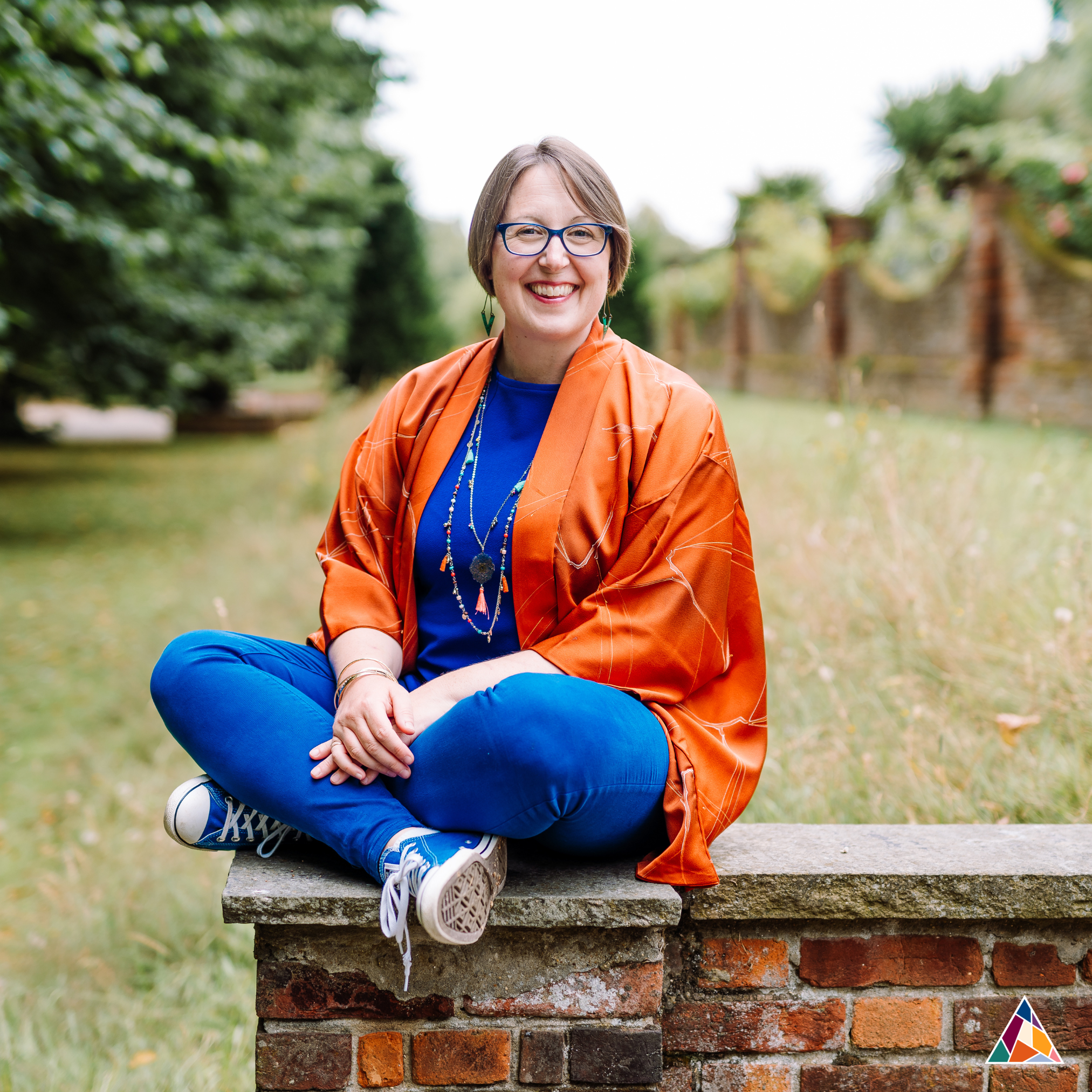
About the Author: Becky Benfield Humberstone partners with Quietly Disruptive founders to build businesses that change their corner of the world, on their terms. If you started your business because you believed things could be done differently, and you're ready to make that vision real, she gets it. Based in the UK and working globally via Zoom and in person, she's done this work herself, more than once.

Ready to Take the Next Step?
If this resonated, Sign the Pact and join the Quietly Disruptive movement. Every week, Field Notes lands in your inbox with one honest idea, the real story of building differently, and the kind of clarity that comes from 25 years of doing things the unconventional way.