4 Things That Hold Founders Back from Building the Business They Actually Want
Prefer to listen rather than read? Listen to the podcast episode covering this same topic here → Quietly Disruptive Podcast
In the last post we talked about that someday version of your business, the one you know exactly but have not built yet, and I asked you to think about what is really holding you back. Today I am naming the four most common reasons I see when I am sitting with a founder who knows exactly what they want to build but still will not build it. These are not obscure or unusual. They come up in almost every conversation I have. And when you hear them named out loud, you might recognise one or two of them, or maybe all four.
1) Judgment: The Fear of What People Will Think
The first one is judgment, and I want to be specific about what this means because it is not usually strangers that founders are afraid of. Strangers can be dismissed. It is the fear of being judged by people you actually know: peers, clients, competitors, friends, family, people from the past. There is always a conversation in a founder’s head before they take a step towards what they actually want, and it sounds something like what will people say, what will my friends think, will they think I have lost the plot.
The judgment founders are afraid of is almost always from a very small number of people who, as it turns out, are not paying nearly as much attention as the founder thinks. The reframe I would offer on this is that the people whose opinion you are most afraid of are almost never your people anyway. The people who are genuinely right for you, your right clients, your right community, your tribe, the people who are actually supporting and encouraging you, those people will respect you more for going after the real thing, not less.
2) The Spotlight Effect: The Belief That Everyone Is Watching
The second reason is something called the spotlight effect and it is a real psychological phenomenon worth knowing about. It is the tendency to believe that everyone is watching you, following your every move, tracking what you are doing and what you are trying. It is what you think is happening. The reality is completely the opposite. Everyone else is too busy dealing with their own business, their own decisions, their own what ifs to be watching what you are doing with the level of attention you think they are.
The spotlight you think is shining on you is mostly inside your own head. And I know that is easy to say and harder to feel, but the silver lining is genuinely freeing. If barely anyone is actually watching, you have far more freedom than you are allowing yourself. You have the freedom to try the thing, adjust it, fail and try again without an audience of judges waiting to deliver a verdict.
3) Fear of Failure: The Fear of Trying the Real Thing and It Not Working
The third reason is fear of failure, but let me be specific because it is not failure in general that most founders are afraid of. It is a very particular kind of failure. It is the fear of trying the thing you actually want, that real version, that corner of the world you are here to change, and having it not work. Because if you try the safe version and it fails, that is disappointing but manageable. You can justify it. You can say you tried the conventional way and it did not work out and you still have the real thing tucked away safely in the someday folder. But if you take out the real thing and go after it and it fails, it feels more final, like the dream itself has failed rather than just the attempt.
So what most founders do is never go after the real version at all, because it feels safer not to try than to try and fail. I did this for years. I kept my dreams in a someday folder as something to cling to and hope for when the time was right. And the time was never right, because there is never a right time for anything.
The reframe on this one is to separate the attempt from the dream. A thing that did not work is not the same as a dream that has failed. Failure is information, it is feedback, it tells you something about the path and the way you were trying to get there, not about the destination itself. Every founder who has built something real and purposeful has a collection of things that did not work on the way to the thing that did. It is impossible to go after a dream without some failures because they are how you find the right way forward.
4) Fear of the Unknown: The Fear of a Path That Does Not Exist Yet
The fourth reason is the fear of the unknown. We would all love a crystal ball that tells us what is around the corner, and that is why we try to replicate other people’s businesses, telling ourselves that if it worked for them it will work for us. A safe business has a known shape. You understand it, you know what a good day looks like. Whereas the business you actually want is uncharted. You have to make the path and walk on it at the same time, and that is uncomfortable even when it is exciting and even when every cell in your body knows it is the right thing to do.
Most founders I work with are not afraid of hard work. They will work harder than anyone. But what they are afraid of is not knowing what the path looks like before they step onto it. The reframe here is simple. Every business you admire was once uncharted territory for the person who built it. Uncharted does not mean wrong. It means first. And being first means you get to define what it looks like, what the standards are, and build it in a way that is genuinely yours.
Judgment, the spotlight effect, fear of failure and fear of the unknown. Maybe you recognise one, two or all four. I have experienced every single one of them, and these days they are old friends that remind me I am human and doing big, brave and bold things. None of them are reasons not to build the thing. The first step to overcoming them is being aware of them, because when you see them clearly they lose their power. Nobody is watching as closely as you think. Failure is feedback about the path, not a verdict on the destination. And uncharted does not mean wrong, it means you are the first to walk it.
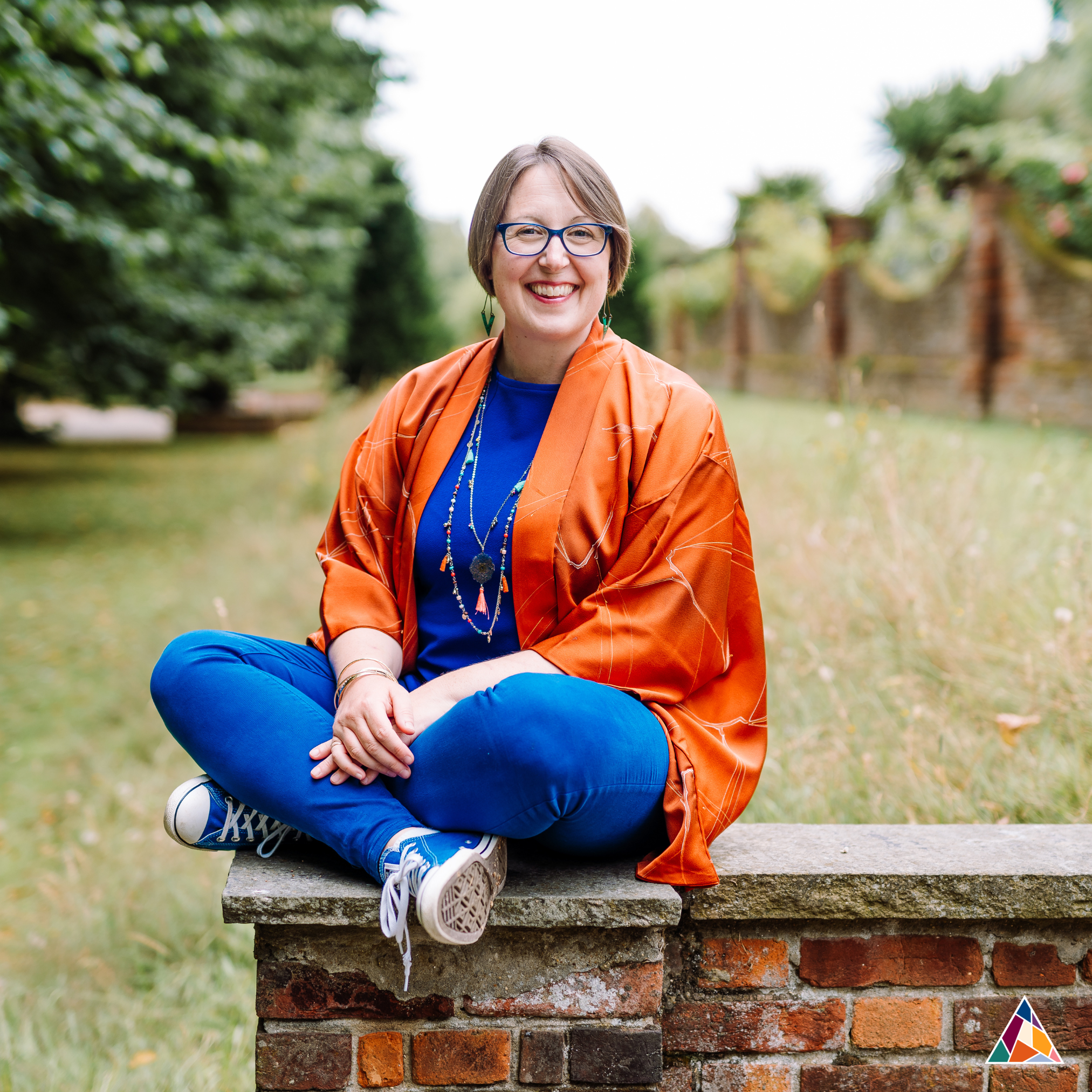
About the Author: Becky Benfield Humberstone partners with Quietly Disruptive founders to build businesses that change their corner of the world, on their terms. If you started your business because you believed things could be done differently, and you're ready to make that vision real, she gets it. Based in the UK and working globally via Zoom and in person, she's done this work herself, more than once.

Ready to Take the Next Step?
If this resonated, Sign the Pact and join the Quietly Disruptive movement. Every week, Field Notes lands in your inbox with one honest idea, the real story of building differently, and the kind of clarity that comes from 25 years of doing things the unconventional way.