Business Isn’t Complicated…We Just Make It That Way
Prefer to listen rather than read? Listen to the podcast episode covering this same topic here → The Quietly Disruptive Business Podcast
Business isn’t complicated. We just make it that way. At some point in so many founders’ journeys, the business stops feeling simple. It evolves into a Frankenstein monster constructed from all the things we added because we thought that’s what was needed- an offer because a client asked for it, another marketing platform because someone said you needed to be on it, a digital product that was supposed to be the surefire way to make thousands. Things get added not because they’re needed, but because we see other founders using them and feel we need them too. Layer after layer goes on until the original reason you started a business in the first place is buried. And somewhere in the process, we lose sight of the core function of a business: to sell something to a client who wants or needs it, and for that client to buy something that solves their problem. A simple two-way exchange. That’s it.
Reason 1)
We Borrow What Works for Other Founders and Then Can’t Let Go
The first reason founders overcomplicate things is the most understandable. In the early stages, you don’t know what works yet, so you watch other founders and try what they do. That makes complete sense — it’s a starting point, a way to test and learn. But the problem is what happens next. We hang on to borrowed frameworks, approaches, and strategies even when they don’t work for us.
You keep a paid workshop as the way prospective clients enter your world, but deep down you’d rather it was free. The founder you borrowed the idea from always says never give anything away for free, charge for your knowledge. So you’re torn — on one hand you want to get rid of it, on the other there’s a logical reason to keep it. And letting go feels like failure. But every business is unique. What works for one founder will not work for another. The more we embrace experimenting and finding what works for us — tailored to our values, our way of selling, how we see the world — the better our businesses become. You need a business that works for you, not the other way around.
Reason 2)
The Offer Pyramid That Gets Sold to Every Founder
The second reason is one you’ll see on a daily basis if you spend any time on social media: the offer pyramid. It’s that model where clients progress from a free intro offer at the bottom, through a low-ticket offer, then a mid-tier, until they reach the premium high-ticket offer at the top. A ladder they climb rung by rung until they arrive at the thing you actually want to sell them in the first place.
For some businesses, this model is exactly right. But for others, it’s a mould they try to squeeze into, and the result is five different offers all competing for attention — confusing prospective clients and the founder in the process. My business has one offer: a three-month one-to-one business coaching intensive. That’s it. Everything else — this podcast, in-person gatherings, workshops, newsletters — they’re not paid offers. They’re the routes that founders take to find the one thing I do offer. No ladder to climb, no process to move through. I could easily get sucked into adding group programmes, courses, and digital products to tick the pyramid box. But I believe the work that creates a business that changes your corner of the world happens when it’s bespoke and tailored, and that happens through one-to-one work. That decision is a values-based one, and the knock-on effect is that it makes things very, very simple.
Reason 3)
The Belief That Simple Means Something Is Wrong
The third reason is the stealthiest of all, because it runs underneath the other two without ever being named: the belief that if business feels simple, then something must be wrong. That complexity is evidence of seriousness. That the more complicated a business, the more proof there is that it must be better because it took more effort to build.
That belief is everywhere in business culture. Simplify your business and someone will tell you you’re leaving money on the table. Work fewer hours and someone will ask whether you’re building a real business. But business at its core is two people exchanging something. A client needs or wants what you have, and you give it to them in exchange for money. Everything else you add beyond that exchange should make the process more clear, more valuable, or more specific. If it doesn’t, it’s complicating something that doesn’t need complicating. Business isn’t hard — we make it hard, usually because we believe that building simply means we’re not doing it properly. That’s not true. Business can be simple. And simple works.
So here’s the question to sit with: if you stripped your business back to the basic exchange — the thing you offer and the person who needs it — what would be left? What would stay and what would fall away? Our next blog post takes this further with six questions to map your entire business ecosystem, every piece of it, how it connects, and where the gaps are.
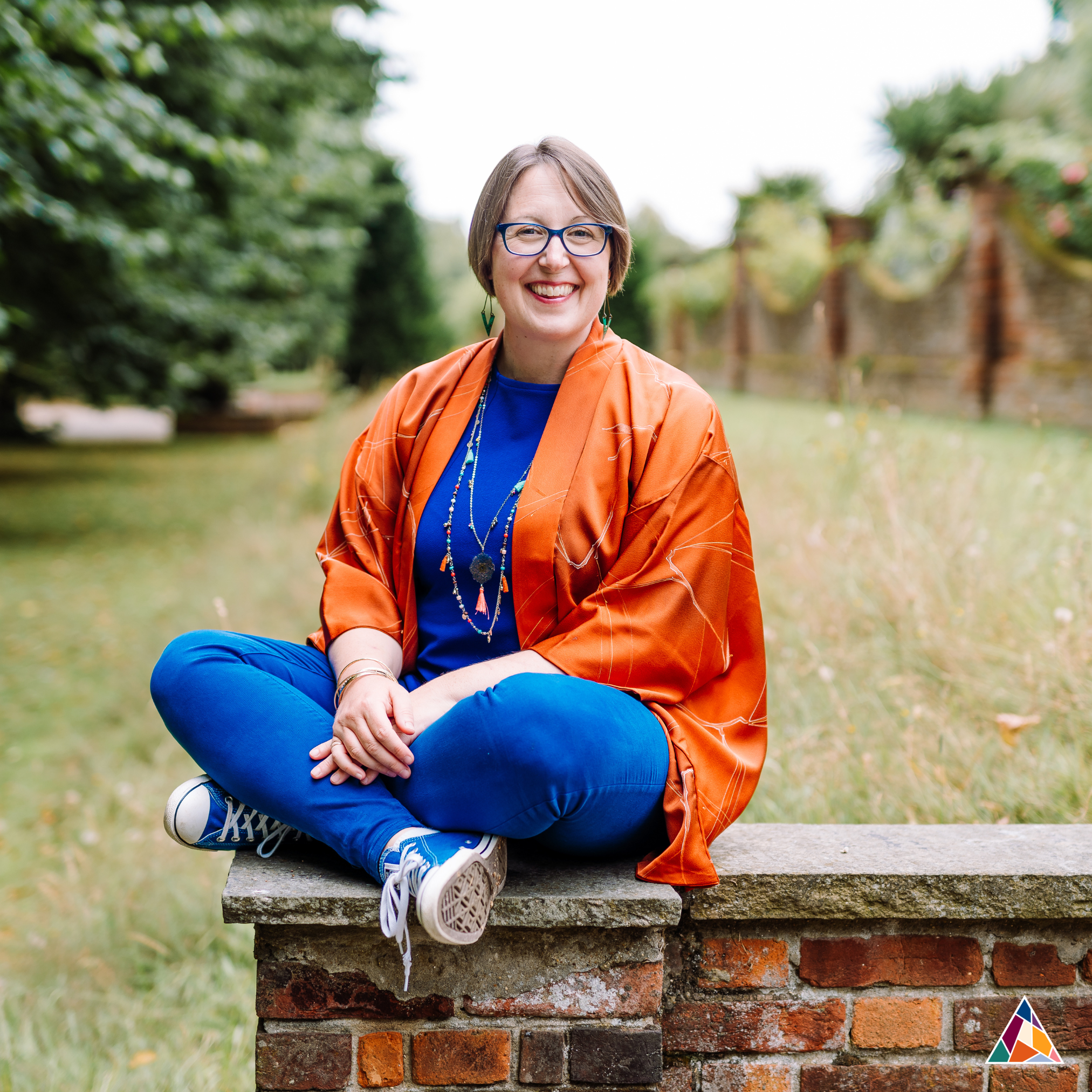

About the Author: Becky Benfield Humberstone partners with Quietly Disruptive founders to build businesses that change their corner of the world, on their terms. If you started your business because you believed things could be done differently, and you're ready to make that vision real, she gets it. Based in the UK and working globally via Zoom and in person, she's done this work herself, more than once.
Ready to Take the Next Step?
If this resonated with you and you want to explore what building differently could look like, join The Founders Club, a weekly newsletter for Quietly Disruptive founders who are ready to do things their own way. Every week, expect insights, stories, and wisdom to help you build the business you actually want, not the one everyone says you should have.