Visualise What Happens When It Does Work: A Guided Exercise
Prefer to listen rather than read? Listen to the podcast episode covering this same topic here → Quietly Disruptive Podcast
I want to start with a question and I want you to notice what happens in your body when you hear it. Think about that version of your business you want to build. What if it does not work? What happened? Did you feel a bit tense, a bit anxious, a bit fearful? Maybe a little sad or frustrated? Or maybe you felt nothing at all, in which case I have questions and I am slightly in awe of you. But whatever you felt, you are not the only one. Every founder has been in that same boat, thinking about what happens if it all goes wrong. It is, if nothing else, a very crowded boat.
Why Visualisation Works and Why It Is Not Fluffy
Visualisation has a slightly undeserved reputation for being soft and fluffy, the kind of thing that only works if you really believe in it. The evidence behind it is actually some of the most robust in performance psychology. Elite athletes have used visualisation as part of their training for decades, not as an add on or a nice thing to have but as a fundamental practice that sits alongside their physical preparation. Olympic swimmers visualise every stroke of their race in precise detail before they even get in the water, feeling the water, hearing the sounds of the pool, experiencing the turn, arriving at the finish line. By the time they stand on that starting block, the race is already familiar. They have already been there in their mind.
Neuroscience research has shown that mental rehearsal activates the same neural pathways as physical practice. The brain processes a vividly imagined experience in similar ways to a real one, which means that when you imagine something in enough detail, especially using your senses, your brain begins to treat it as familiar territory, something you have already navigated, something you have already experienced. The real version feels less like a leap into the unknown and more like a place you have already visited.

Why This Matters for Founders
So much of what holds founders back from doing the thing they actually want to do is that it feels unknown, unfamiliar, outside of the territory of what they know. Our brains are wired to prefer the familiar and the comfortable, and when we want to do something outside of that, the brain resists. Visualisation does not remove the uncertainty but it begins to make the destination feel like somewhere you have already been. That change is like smoothing the path rather than fighting against it.
When you can see what your working day looks like when the thing has worked, when you can hear the conversations you are having, when you can feel the particular energy of that version of your life, it stops being an abstract hope and becomes something specific and sensory. And specific and sensory is what your brain needs to start treating it as real rather than imaginary.
The Guided Visualisation
This exercise works best when you can be fully in it rather than half distracted. If you are in the middle of something, save this for later and come back to it when you have a few quiet minutes to yourself. Find a comfortable seat, close your eyes, and let the audio guide you through. There is no screen to look at, nothing to distract you. It is just your imagination and my voice.
After the Visualisation
Whatever you saw, whatever you felt, whatever became specific and real during those few minutes, write it down before the details fade. Those details are what turn a vision into a direction rather than just a feeling. They are your North Star made into sensory details: what you can see, what you can hear, what you can smell, what you can touch. This is what sits on the other side of what if it actually works. So the next time that question arrives, and it will, you will know exactly what to answer. You will be able to recall everything you saw and felt and say: this. This is what happens when it does work. The only job now is to go and build it.
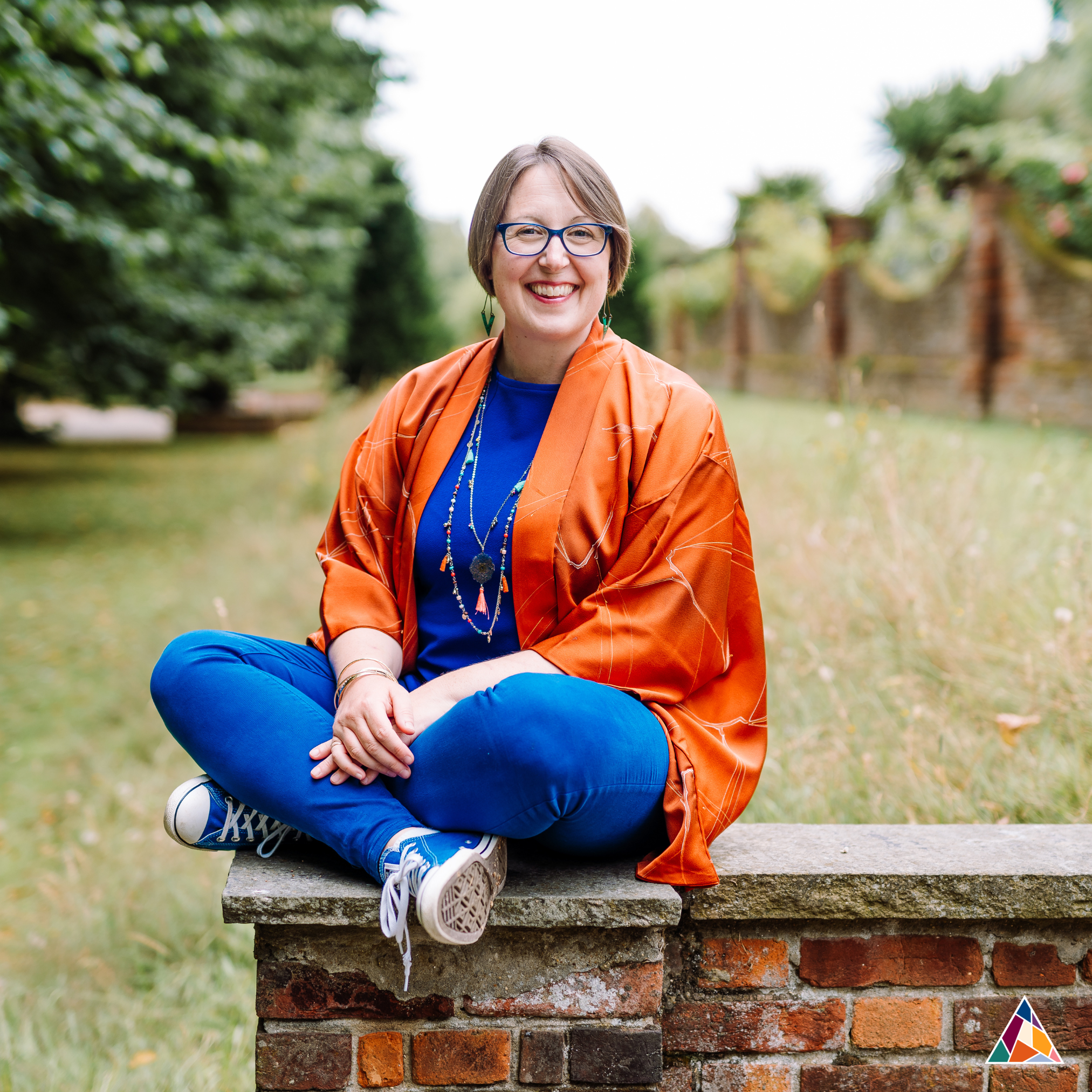
About the Author: Becky Benfield Humberstone partners with Quietly Disruptive founders to build businesses that change their corner of the world, on their terms. If you started your business because you believed things could be done differently, and you're ready to make that vision real, she gets it. Based in the UK and working globally via Zoom and in person, she's done this work herself, more than once.

Ready to Take the Next Step?
If this resonated, Sign the Pact and join the Quietly Disruptive movement. Every week, Field Notes lands in your inbox with one honest idea, the real story of building differently, and the kind of clarity that comes from 25 years of doing things the unconventional way.