Many Founders Have a Direction But Very Few Have a Destination
Prefer to listen rather than read? Listen to the podcast episode covering this same topic here → Quietly Disruptive Podcast
Quietly Disruptive is a specific kind of disruption. It is quiet, stealthy, more about action than announcement. It is doing rather than saying, changing the world on your own terms, being the leader in your niche, trailblazing the trail and doing something different, better and more innovative, all without the hustle, the performance or the ego. But all of this only works effectively when you know exactly what your destination is, as in that thing you are here to do, that vision you have, that detailed understanding of the change you want to make. And the question I would like to leave you with from this post is a deceptively simple one. Do you actually know what that destination is, in one sentence?
The Difference Between a Direction and a Destination
Many founders have a direction but very few have a destination, and the difference between the two is the difference between building in fog and building with a North Star. A direction is a rough heading. It tells you which way you are going but not where you are going specifically. A destination is the exact place you are heading towards and the reason it matters.

For example, a brand designer who knows they want to work with female founded purpose led businesses has a direction. That is a route, not a corner of the world that changes because that founder built what they built. The destination version of that same founder would be a brand designer who works with and helps female founders of purpose led businesses go from invisible to out there in a week, because the world needs their work now, not in six months. Can you feel the difference between those two? One is fuzzy and generic. The other is crystal clear.
Another example. A copywriter who helps small businesses with their website copy has a direction. The destination version is a copywriter who writes copy for small business owners who are brilliant at what they do but cannot find the words, and who writes that copy through having a conversation rather than asking their client to fill out a Google Doc. Or take a brand photographer who helps entrepreneurs look confident and professional online. That is a direction. The destination version is a brand photographer who photographs entrepreneurs in their real world, not a studio, because photos that truly capture who someone is in real life can never be staged.
In each of these examples the direction sentence is a bit fuzzy, a bit generic, without a clear focus. The destination version is the complete opposite. It pinpoints not only who you work with and why, but also your method and what makes you different.
What Happens When You Only Have a Direction
It took me around nine to twelve months to find my destination sentence and I did it mostly alone, which is why I know exactly how hard it is. When I had just a direction, just helping founders with their business, I was trying to build in a fog. I was susceptible to everything. Every new strategy or trend or piece of advice or shiny thing that came along attracted me because I had no anchor to hold on to, nothing to guide me through. It made me question everything, wondering whether I was doing it right or wrong or somewhere in the middle. I could not articulate clearly what I was building or even what I wanted to build, either to myself or to those around me. And looking back now, that cost me dearly in confidence, in momentum and in the simple ability to make good decisions.
What Changes When You Have a Destination Sentence
The difference when I found my destination sentence was the complete opposite of everything I had experienced before. That sentence became a North Star, an anchor, a rock, something solid and guiding that I could focus on and hold on to. My destination sentence is this: I partner with quietly disruptive founders to build a business that changes a corner of the world on their terms, because too many founders spend years building someone else’s version, quietly hoping that one day they will build the business they actually want, and one day has a habit of never arriving.
That sentence now guides every decision in my business. If someone comes to me wanting to replicate someone else’s business, I know that is not for me because they are looking for a shortcut rather than their own path. If a founder wants to follow the textbook version of a business, I know they are looking for a formula rather than creating their own recipe. And if I meet a founder who says they will build the business they really want once this one is more established, I know they are still waiting for someday. My sentence gives me something to check against. It helps me navigate and make good decisions rather than just making decisions that could have consequences further down the line.
It also protects me. If a founder came to me wanting to replicate someone else’s business, I could technically do the work, especially if the money was good. But there would be an ethics and values compromise involved that I know from experience never ends well. My destination sentence tells me that kindly and clearly before either of us invests in the wrong thing. I will always endeavour to help everyone, but sometimes I have to recognise that not everyone is the right fit for me, and my sentence is what shows me that.
So here is the question to sit with. Do you have a destination sentence? Not a direction, not a rough heading, but a specific, clear, one sentence description of where you are going and why it matters. If you do, brilliant. If you have something close, that is a great starting point. And if you have nothing at all, that is okay too, because knowing that you need one is the first step towards finding it. Whatever you have or do not have, bring it to the next post where I will walk you through the questions that will help you find the starting point for your own destination sentence and begin the process of shaping it.
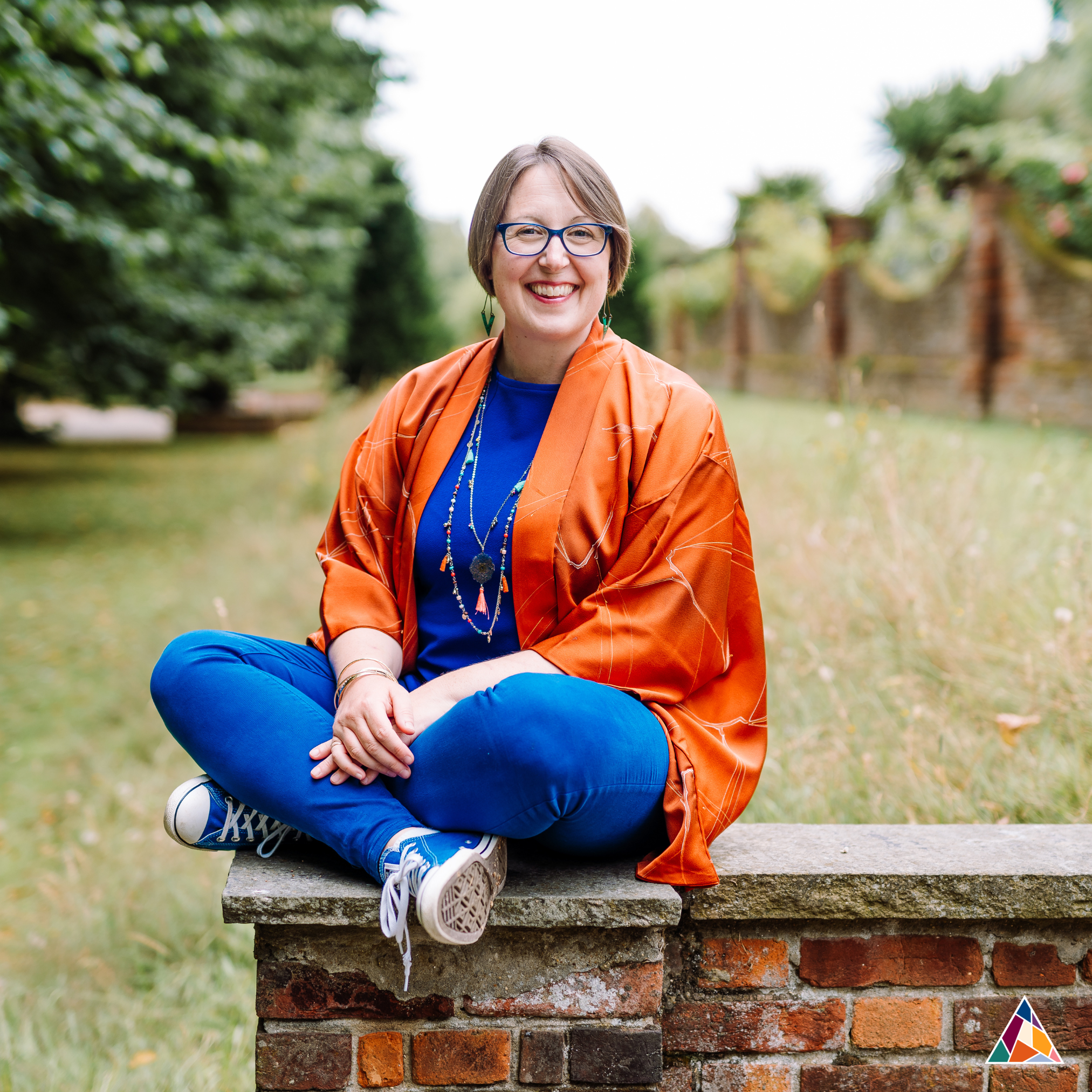
About the Author: Becky Benfield Humberstone partners with Quietly Disruptive founders to build businesses that change their corner of the world, on their terms. If you started your business because you believed things could be done differently, and you're ready to make that vision real, she gets it. Based in the UK and working globally via Zoom and in person, she's done this work herself, more than once.

Ready to Take the Next Step?
If this resonated, Sign the Pact and join the Quietly Disruptive movement. Every week, Field Notes lands in your inbox with one honest idea, the real story of building differently, and the kind of clarity that comes from 25 years of doing things the unconventional way.