How You Do the Small Things Is How You Do Everything
Prefer to listen rather than read? Listen to the podcast episode covering this same topic here → Quietly Disruptive Podcast
Before you plan the big autumn strategy, the new offer, the Q4 launch, I want to start somewhere smaller. That might sound backwards, but I think sometimes the smallest things are the most powerful, and that is exactly what I want to talk about today. There is a code in the Twelve Codes of Quietly Disruptive that I have not spoken about before, and it is Code 3: how you do the small things is how you do everything. The reason I want to talk about it now, as we head into September, is because it is so easy to come back from summer and immediately start thinking big, when the things that actually make the biggest difference are rarely the big visible ones. They are the small, almost invisible ones that nobody asked you to do, that nobody would notice if they were not there, but that people absolutely feel when they are.
Trust Starts in the Tiny Interactions, Not the Grand Gestures
We are all so busy trying to get the big things right that we forget about the tiny moments where people actually form their opinion of us and our businesses. It is not the website. It is not the logo. It is not even the offer. It is what happens in between all of those things. It is the way you reply to someone, the way you follow up after a conversation, the tone of your emails, whether someone feels like a person or a transaction when they interact with you. Those moments are where trust starts to form, not from a sales page or a testimonial or a perfectly worded offer, but from the feeling someone gets when they interact with you and think this person cares. That trust is what leads to everything else: the client who says yes, the referral that arrives without asking, the person who comes back six months later because they remembered how you made them feel.
You Cannot Fake the Small Things
When somebody connects with me on LinkedIn, I do not send an automated message or a template. I go and read their profile, I look at their posts, I look at their website, and then I write them a message that is specifically about them, something I have noticed, something I am curious about. It takes longer than a copy and paste, but those five minutes of care are the difference between somebody thinking oh, another connection request and somebody thinking oh, she actually looked. The same applies to Field Notes, my weekly letter. I could call it a newsletter because everybody else does, but I call it Field Notes because it is a letter, it is personal, and it is one idea written for the person reading it, not a broadcast to a list. Or take something even simpler, like the way I sign off every email and every podcast with Onwards and Upwards. It is a small thing, but over time it becomes something people associate with me, a tiny thread that runs through everything.
You can fake a polished website or a professional looking brand. You can even fake confidence on social media for a while. But the small things, the way you treat people when nobody is watching, the care you put into the details that nobody asked for, those reveal who you actually are. And that is exactly why they are the disruption, because almost nobody bothers. Most founders are so focused on the launch, the funnel, the content calendar, that they walk straight past the moments that actually matter.
Think of It Like a Garden
You can have the most beautifully designed garden in the world, the layout, the paths, the structure, all of it perfect. But if nobody is tending to the small things, the weeding, the watering, the noticing of what needs attention, that garden slowly stops being what it was designed to be. The big design matters, but it is the daily care that keeps it alive. Business is the same. The big strategy is important, but it is the small, consistent, unseen care that makes people feel something when they interact with you. And this is not about adding more to your plate or spending hours hand lettering every email because you saw someone do it on Instagram. It is about looking at what you are already doing and asking whether it feels like you. The small things that matter are never borrowed from someone else’s business. They come from who you are as a person, and they cannot be replicated because they are specifically yours.
So here is the question to sit with as we head into September. Before you plan the big things, look at the small things first. What are the small things in your business that nobody asked you to do, but you do anyway because it matters to you? And where have you stopped doing them, or never started? Those small things, the ones that feel almost too insignificant to mention, are probably the most quietly disruptive thing about you. The next post walks you through exactly where to look for them.
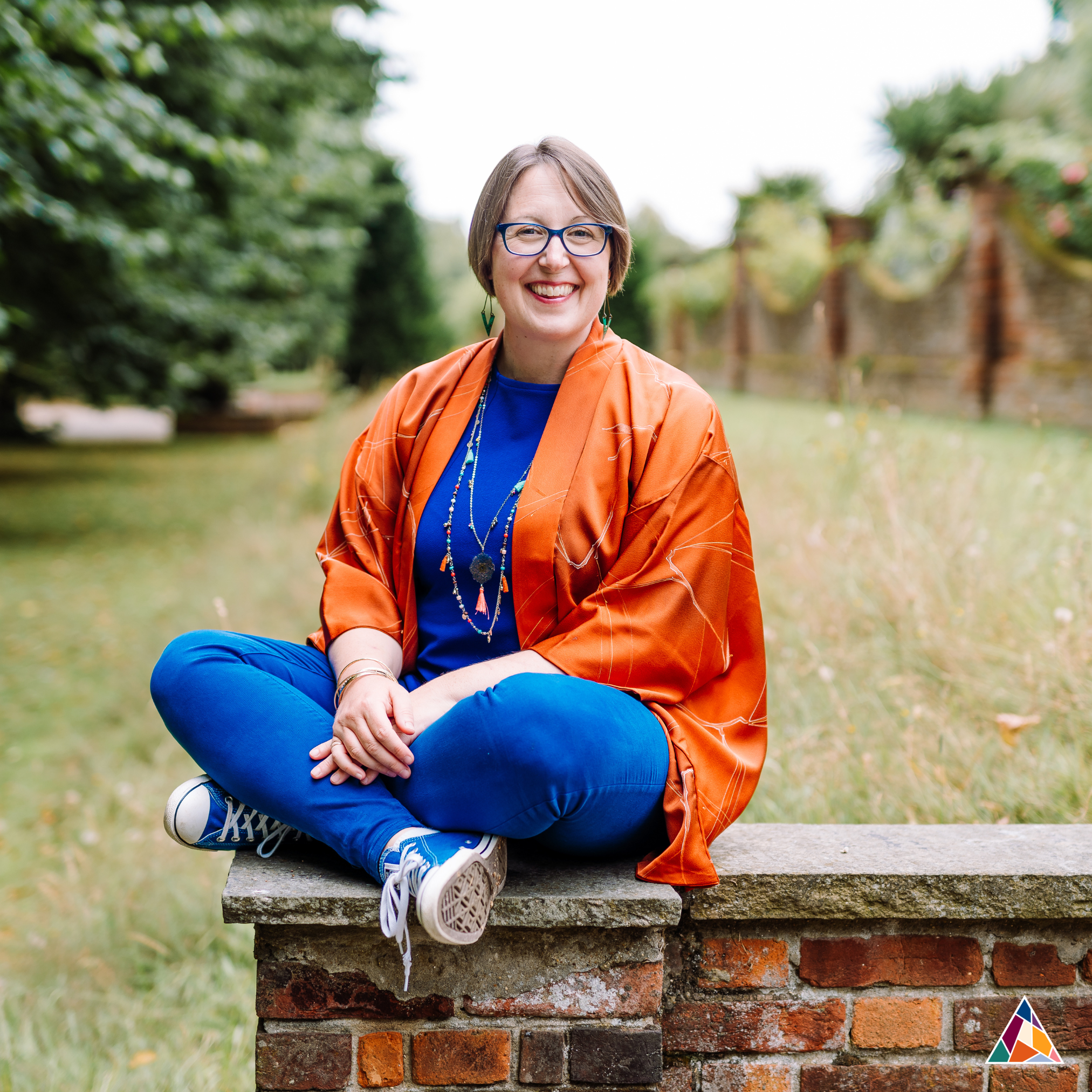
About the Author: Becky Benfield Humberstone partners with Quietly Disruptive founders to build businesses that change their corner of the world, on their terms. If you started your business because you believed things could be done differently, and you're ready to make that vision real, she gets it. Based in the UK and working globally via Zoom and in person, she's done this work herself, more than once.

Ready to Take the Next Step?
If this resonated, Sign the Pact and join the Quietly Disruptive movement. Every week, Field Notes lands in your inbox with one honest idea, the real story of building differently, and the kind of clarity that comes from 25 years of doing things the unconventional way.